Wales Faces Driest July in Nearly 190 Years as Drought Declared
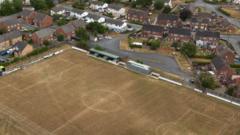
Historic Drought Conditions Grip Wales
The entire nation of Wales is experiencing a drought declaration that marks a critical turning point in the country's water management crisis. Meteorological records spanning nearly 190 years show that July is on course to become the driest month in this extended historical period, signaling an unprecedented environmental challenge for the region.
Record-Breaking Dry Conditions
The severity of this drought cannot be overstated, as Wales approaches what could be its most arid July since records began approximately 190 years ago. Weather analysts have documented consistent precipitation deficits throughout the month, with cumulative rainfall figures falling dramatically below seasonal averages. This represents not merely a temporary weather pattern but rather an exceptional climatic event that demands immediate attention and resource management strategies.
Impact on Water Resources
The declaration of drought across Wales carries serious implications for public water supplies, agricultural operations, and industrial processes that depend on adequate precipitation and groundwater levels. Reservoirs throughout the region have experienced declining water levels, prompting water authorities to monitor consumption patterns closely and implement potential conservation measures. The situation reflects broader environmental pressures affecting the United Kingdom and Western Europe during the summer months.
Agricultural and Environmental Consequences
Farmers and agricultural producers across Wales face mounting challenges as drought conditions persist. Crop irrigation demands have intensified, livestock water requirements strain existing supplies, and pasture quality deteriorates under extended dry periods. Environmental ecosystems dependent on regular water flow and moisture availability are experiencing stress, with potential long-term ecological ramifications if conditions do not improve in the coming weeks.
Comparison to Historical Patterns
To contextualize the severity of the current drought, meteorological records indicate that Wales has not witnessed such pronounced dryness during July for approximately 190 years. This historical benchmark underscores how unusual and significant contemporary conditions have become. Previous dry periods are well-documented, but the consistency and intensity of the present situation distinguishes it as a remarkable climatic event.
Official Response and Drought Declaration
Water authorities and government officials have formally declared drought status across Wales, acknowledging the severity and widespread nature of moisture deficiencies. This official designation triggers established protocols for monitoring, reporting, and implementing mitigation strategies. Public communication campaigns educate residents about conservation practices, while regulatory frameworks may restrict non-essential water usage if precipitation continues at current insufficient levels.
Weather Forecast Implications
Meteorological forecasts remain critical in determining how the drought situation may evolve during late July and into August. If rainfall patterns continue below normal, the declaration may extend beyond the current assessment period. Conversely, arrival of significant precipitation systems could alleviate immediate pressures on water supplies and provide relief to affected agricultural sectors.
Regional and National Considerations
The drought affecting Wales occurs within a broader context of climate variability impacting multiple regions across the British Isles. Water management authorities across Wales, England, and Scotland collaborate on understanding regional precipitation patterns and implementing coordinated responses to shared environmental challenges. The situation highlights the interconnected nature of water resources and the importance of long-term planning strategies addressing climatic uncertainties.
Community and Business Response
Businesses, communities, and individual households throughout Wales have begun implementing voluntary conservation measures in response to the drought declaration. Water usage reduction initiatives, garden irrigation scheduling, and industrial process modifications represent practical responses to existing conditions. Public awareness of the severity encourages participation in collective conservation efforts that may prove essential if conditions worsen.
Future Outlook and Preparedness
The current drought serves as a reminder of the necessity for comprehensive water management strategies and infrastructure investment. Planning authorities examine historical climate data to anticipate future dry periods and develop resilience mechanisms. This event emphasizes the critical importance of sustainable water resource management, infrastructure modernization, and adaptive strategies addressing the reality of variable precipitation patterns in contemporary times.