UEFA Threatens World Cup Boycott Over FIFA Investment Plans
UEFA Issues Bold Stance Against FIFA Investment Proposals
In a significant development within international football governance, UEFA has declared that the World Cup is not a commercial commodity and threatens a UEFA World Cup boycott if FIFA pursues its current investment strategy. The European football confederation's 55 member associations have united in their opposition, signaling a potential watershed moment in the sport's regulatory structure.
Member Associations Vote on Boycott Initiative
The decision emerged following a coordinated vote among UEFA's constituent nations, which represent some of the world's most prominent football-producing countries. This collective action demonstrates unprecedented unity within the European confederation regarding their concerns about the direction of international football governance and the proposed changes championed by FIFA leadership.
Conflict Over FIFA's Investment Framework
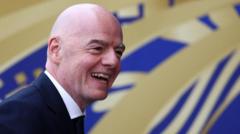
At the heart of the dispute lies FIFA President Gianni Infantino's investment proposals, which UEFA contends would fundamentally alter the nature and integrity of World Cup tournaments. European football authorities argue these plans treat the tournament as a financial asset rather than protecting its sporting and cultural significance.
The UEFA World Cup boycott threat represents escalating tensions between the continental confederation and FIFA's central authority. Member associations fear that accepting the investment proposals would compromise the traditional values underpinning the world's most prestigious football competition.
FIFA's Investment Plans Under Scrutiny
Infantino's initiatives aim to modernize FIFA's financial structures and funding mechanisms. However, UEFA argues these measures prioritize commercial interests over the authentic development of international football. The European body contends that the proposals lack sufficient safeguards to protect tournament integrity and ensure equitable distribution of benefits among participating nations.
Potential Consequences of a World Cup Boycott
Should UEFA member nations proceed with the threatened UEFA World Cup boycott, the repercussions would reverberate throughout global football. The absence of European teams—historically among the tournament's most successful and commercially valuable participants—would fundamentally diminish the World Cup's prestige, viewership, and financial viability.
Such action would mark an unprecedented challenge to FIFA's authority and the first coordinated continental boycott of the World Cup in the tournament's history. The implications extend beyond sporting considerations, affecting broadcasting rights, sponsorship agreements, and the entire ecosystem surrounding football's flagship competition.
European Football's Position on World Cup Governance
UEFA's stance reflects broader concerns within European football about governance transparency and decision-making processes at FIFA. The confederation argues that major policy decisions affecting the World Cup should involve comprehensive consultation with continental confederations representing the sport's stakeholders.
Member associations within UEFA view their collective action as essential protection of World Cup traditions. They argue that permitting investment schemes to dictate tournament structure could establish problematic precedents for future competitions and potentially commercialize aspects of the sport that should remain protected.
Negotiations and Future Developments
The boycott threat serves as a negotiating tool, pressuring FIFA and Infantino to reconsider their investment framework. UEFA has indicated willingness to continue discussions, but only if FIFA demonstrates genuine commitment to addressing European concerns about tournament integrity and governance standards.
As international football navigates these tensions, the conflict between UEFA World Cup boycott threats and FIFA's modernization agenda will likely shape football governance for years to come. The outcome will determine whether commercial interests or traditional sporting values take precedence in determining the World Cup's future structure and administration.