Trump Weighs AI Regulations Following OpenAI Security Breaches
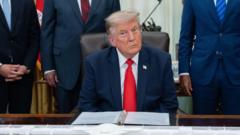
Trump Administration Shifts Stance on Artificial Intelligence Governance
The Trump administration is currently evaluating potential AI regulations in response to recent security breaches affecting OpenAI, marking a significant departure from its previously laissez-faire approach to emerging technologies. This policy reconsideration reflects growing concerns about the vulnerabilities within major artificial intelligence systems and their implications for national security and corporate data protection.
Understanding the Policy Change
Previously, Trump's administration maintained a distinctly hands-off regulatory stance when it comes to artificial intelligence development and deployment. However, the recent OpenAI hacking incidents have prompted officials to reassess this position. The breaches have exposed critical gaps in cybersecurity protocols and raised questions about whether current industry self-regulation mechanisms are sufficient to protect sensitive information.
The Impact of Recent Security Breaches
The compromised systems at OpenAI have sparked considerable alarm among policymakers and business leaders alike. These incidents demonstrate that even companies at the forefront of AI technology development remain vulnerable to sophisticated cyberattacks. Officials within the administration now recognize that a purely market-driven approach may leave critical infrastructure and sensitive data exposed to malicious actors.
Industry Perspective on AI Security
Technology sector representatives acknowledge the necessity for enhanced security frameworks without stifling innovation. The cybersecurity threats revealed through these incidents suggest that companies need more robust internal controls and information-sharing protocols. Industry stakeholders are engaged in discussions with government officials to establish standards that balance protection with the continued advancement of artificial intelligence capabilities.
Potential Regulatory Framework
As the administration deliberates on specific measures, several regulatory approaches are under consideration. These include mandatory security audits for AI companies, stricter data protection requirements, and enhanced reporting protocols when breaches occur. Officials are also exploring how existing cybersecurity laws might be updated or reinterpreted to address the unique challenges posed by artificial intelligence systems.
National Security Implications
The shift toward more structured AI regulations is partly driven by national security considerations. Advanced artificial intelligence systems represent valuable intellectual property and strategic assets. When hackers compromise these systems, they potentially gain access to proprietary algorithms and training methods that could be exploited for competitive or hostile purposes.
Foreign Interference Concerns
Administration officials express particular concern about foreign entities attempting to steal AI technology or disrupt critical systems. The OpenAI incidents have highlighted potential vulnerabilities that adversarial nations or non-state actors could exploit. This realization has accelerated discussions about establishing minimum security standards across the industry.
Timeline and Implementation
While no definitive regulations have been announced, administration officials suggest that preliminary proposals could emerge in the coming months. The regulatory process will likely involve extensive consultation with technology companies, cybersecurity experts, and other stakeholders. The goal is to develop comprehensive guidelines that address the specific challenges of artificial intelligence systems while allowing continued innovation.
Balancing Innovation with Protection
The administration faces the delicate task of implementing AI regulations that enhance security without hindering technological progress. This balance is crucial, as excessive restrictions could drive artificial intelligence development overseas or into less transparent sectors. Policymakers are therefore carefully considering how to structure oversight mechanisms that protect against threats while maintaining America's competitive advantage in emerging technologies.
Stakeholder Response and Industry Cooperation
Major technology companies have indicated willingness to cooperate with regulatory efforts, provided the rules remain proportionate and clearly defined. Many industry leaders recognize that strong cybersecurity standards could actually benefit their operations by building consumer and investor confidence. Collaborative approaches between government and private sector are expected to shape the final regulatory framework.
Looking Forward
The Trump administration's reconsideration of its AI policy demonstrates how significant security incidents can catalyze policy changes even among administrations previously skeptical of regulation. As artificial intelligence continues to expand into critical sectors, the balance between innovation and protection will remain a central policy challenge. The decisions made in the coming months will likely establish precedents for how governments worldwide approach artificial intelligence governance and cybersecurity.


