Trident Modernisation Drives UK Defence Industrial Revival
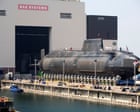
Trident Renewal Shapes Britain's Defence and Industrial Future
The modernisation of Trident represents a pivotal moment in the UK's defence strategy and economic regeneration plan. Prime Minister Andy Burnham is positioning Trident renewal as a cornerstone initiative that intertwines national security with substantial community investment across the nation. This comprehensive approach demonstrates how defence procurement can simultaneously strengthen Britain's military capabilities while revitalising local economies and supporting industrial development in strategic regions.
Strategic Vision for Defence Spending
Andy Burnham's administration recognises that major defence projects like Trident renewal extend far beyond military necessity. The initiative encompasses the development and construction of Dreadnought-class nuclear submarines, representing one of the largest defence investments in recent years. By channelling approximately £31 billion into this programme, the government underscores its commitment to coupling robust defence capabilities with meaningful economic stimulus in communities dependent on advanced manufacturing sectors.
Economic Impact of Nuclear Submarine Programme
Barrow-in-Furness has emerged as the focal point for Trident renewal efforts, particularly regarding the construction of next-generation submarines. The Cumbrian town's shipbuilding heritage and specialised workforce position it as an essential hub for this transformation. The investment flowing into the region through this nuclear submarine replacement initiative creates employment opportunities across multiple sectors, from skilled engineering positions to supporting industries and service providers. Local communities benefit directly from sustained economic activity generated by defence manufacturing excellence.
Reindustrialisation Through Defence Investment
The government's approach to Trident renewal exemplifies how strategic defence spending functions as a tool for broader reindustrialisation objectives. Rather than viewing military procurement as separate from economic policy, this framework integrates both priorities seamlessly. Communities hosting major defence facilities experience infrastructure improvements, workforce development, and enhanced economic prospects. The £31bn allocated to Dreadnought-class boats translates into immediate and long-term employment, supplier contracts, and technological advancement within the UK industrial base.
Taxpayer Value and Community Benefits
Proponents of the Trident renewal programme emphasise that taxpayer investment delivers tangible returns in community prosperity. When defence spending concentrates in specific regions like Barrow-in-Furness, the multiplier effect extends throughout local supply chains and service sectors. Employees earning competitive wages in submarine construction spend money locally, supporting retail, hospitality, and other service businesses. This economic circulation strengthens entire regions and justifies public expenditure from both security and prosperity perspectives.
Nuclear Submarine Replacement Programme Milestones
The launch of the next phase in the nuclear submarine replacement initiative marks a significant procedural advancement. This phase encompasses design refinement, component manufacturing, and preparation for full-scale construction of Dreadnought-class vessels. Each phase builds upon previous technological developments and manufacturing expertise accumulated throughout the programme's evolution. The structured approach ensures quality control, cost management, and adherence to security requirements while maintaining continuous community engagement and economic benefits.
Workforce Development and Skills
Trident renewal demands highly specialised expertise spanning nuclear engineering, maritime design, advanced materials processing, and project management. The programme necessitates substantial investment in apprenticeships, technical training, and professional development. Educational institutions and private sector partners collaborate to ensure the workforce possesses requisite skills for contemporary submarine construction. This human capital investment extends beyond immediate employment, building regional capacity for future advanced manufacturing initiatives.
Strategic Defence Priorities
The modernisation of Trident submarines reflects evolving global security assessments and technological requirements. Next-generation Dreadnought-class boats incorporate advanced capabilities ensuring continued credibility of Britain's independent nuclear deterrent. This strategic posture requires continuous innovation and substantial investment in research, development, and manufacturing infrastructure. By coupling these defence imperatives with community economic development, the government articulates a comprehensive vision where security and prosperity reinforce one another.
International Defence Considerations
Britain's commitment to maintaining independent nuclear deterrent capabilities influences strategic calculations throughout Europe and globally. The Trident renewal programme demonstrates sustained investment in capabilities recognised as essential for national security. Other nations observe these commitments when assessing Britain's role in international security architectures and bilateral defence partnerships. The visible economic commitment represented by £31bn in Dreadnought-class construction underscores genuine strategic intent.
Long-term Economic and Strategic Implications
The Trident renewal initiative extends across multiple decades, providing sustained economic stimulus and employment security. Communities hosting nuclear submarine manufacturing facilities benefit from predictable, long-term economic activity. This stability enables local businesses to plan expansion, workers to build careers, and younger generations to envision futures in advanced manufacturing sectors. The programme represents a counterweight to deindustrialisation trends affecting numerous British regions over preceding decades.
Andy Burnham's emphasis on Trident renewal as central to defence spending articulates a strategic vision integrating military, economic, and regional development objectives. The £31bn investment in Dreadnought-class boats and related nuclear submarine replacement infrastructure positions defence procurement as an engine for reindustrialisation, with Barrow-in-Furness exemplifying how strategic investment revitalises communities while meeting evolving security requirements. This comprehensive approach demonstrates that defence spending, when thoughtfully deployed, simultaneously strengthens national capabilities and generates widespread community prosperity.