Supreme Court Reviews Palestine Action Ban Under UK Terrorism Laws
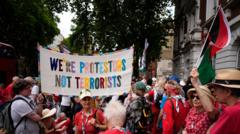
Supreme Court to Examine Palestine Action Proscription
The United Kingdom's highest judicial authority has granted permission for a significant appeal regarding the Palestine Action ban imposed under the country's counter-terrorism framework. This landmark decision marks a crucial moment in the ongoing dispute between the activist organization and the British government over the legitimacy of the group's proscription.
The appeal follows the government's controversial designation of Palestine Action as a prohibited organization under terrorism-related statutes. The group's co-founder has been authorized to proceed with challenging this classification, bringing the case before the nation's most senior court.
Background of the Proscription Decision
The government's move to proscribe Palestine Action represented a significant escalation in regulatory measures against the organization. Officials claimed the group posed sufficient security concerns to warrant formal designation under anti-terrorism powers. However, the Palestine Action ban has attracted substantial criticism from civil liberties advocates, who argue the classification stretches the application of terrorism legislation.
The proscription prevents the organization from operating openly, freezes its assets, and makes membership itself a criminal offense. These measures effectively shut down the group's public activities and fundraising operations.
Legal Challenge and Court Authorization
The co-founder's successful bid for permission to appeal demonstrates that the Supreme Court considers the case raises important questions about the scope and application of anti-terrorism law. The authorization indicates the justices believe there are genuine legal principles worth examining regarding the Palestine Action ban and similar designations.
This ruling grants the applicant access to the Court's appellate process, where arguments can be presented about whether the proscription meets legal standards for designating groups as terrorist organizations. The decision to permit the appeal suggests the judiciary recognizes potential issues with the original determination.
Implications for Activism and Civil Liberties
The Supreme Court's engagement with the Palestine Action ban carries wider significance for protest movements and civil society organizations across the United Kingdom. The outcome could establish important precedents regarding how broadly anti-terrorism legislation can be applied to activist groups engaged in protest activities.
Civil rights organizations have monitored this case closely, viewing it as a test of whether the government's proscription powers align with established legal principles and human rights protections. The balance between security concerns and freedom of association remains a central issue in the appeal.
What the Appeal Will Address
During the Supreme Court proceedings, the appellants will likely argue that the proscription decision was disproportionate or exceeded the government's lawful authority. They may contend that the group's activities, while potentially controversial, do not constitute terrorism under established legal definitions.
The Palestine Action ban case will require the justices to evaluate evidence presented by both sides and determine whether the original designation was justified and properly implemented. The court must consider whether the legal criteria for proscription were satisfied and whether due process was followed.
Timeline and Next Steps
With permission to appeal now granted, the case moves toward full Supreme Court hearing. The exact timeline for oral arguments and judgment remains to be determined, though significant court cases typically progress over several months. Both the appellants and government will prepare comprehensive legal arguments for presentation before the panel of justices.
The resolution of the Palestine Action ban appeal will be watched closely by legal experts, civil liberties campaigners, and political analysts across the United Kingdom and internationally.