Sudarshan Abrol, UK Asian Women's Centre Founder, Dies at 88
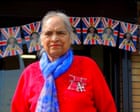
Sudarshan Abrol obituary: Legacy of Community Leadership
Sudarshan Abrol obituary marks the passing of a remarkable social advocate who dedicated her life to supporting vulnerable populations in the United Kingdom. The founder of the UK Asian Women's Centre in Handsworth, Birmingham, passed away at the age of 88, leaving behind an extraordinary legacy that transformed countless lives through her unwavering commitment to community welfare and women's empowerment.
Establishing the UK Asian Women's Centre
Throughout her distinguished career, Sudarshan Abrol established and managed the UK Asian Women's Centre, a groundbreaking organization that became a beacon of hope for women facing unprecedented challenges. For more than thirty years, this institution operated under her visionary leadership, creating safe spaces where marginalized women could access critical support services.
A Sanctuary for Women in Crisis
The centre functioned as a comprehensive support network for women experiencing domestic hardship, economic instability, and social isolation. Under Abrol's stewardship, the facility provided essential crisis intervention services, helping women navigate complex life situations with compassion and professional guidance. Her approach emphasized dignity, respect, and practical solutions tailored to individual circumstances.
Employment and Skills Development Programs
Beyond crisis support, Sudarshan Abrol pioneered employment initiatives that enabled women to achieve economic independence and self-sufficiency. The UK Asian Women's Centre offered vocational training, job placement assistance, and career counseling, transforming the economic prospects of hundreds of women within the Birmingham community and surrounding regions.
Language Education and Skill Enhancement
Recognizing that language barriers often perpetuated social exclusion, Abrol implemented comprehensive English language programs within the centre. These classes accommodated women with childcare responsibilities, allowing mothers to pursue educational advancement while maintaining family responsibilities. The centre also offered diverse skill-building workshops covering practical competencies essential for modern employment and daily life.
Creating Inclusive Community Spaces
The physical environment of the UK Asian Women's Centre reflected Abrol's inclusive philosophy. It served as a welcoming sanctuary where women from diverse backgrounds, often accompanied by their children, could access resources, build social connections, and develop confidence. The centre became a trusted institution within Handsworth's Asian community, demonstrating Abrol's deep understanding of cultural sensitivities and community needs.
Impact on Three Decades of Social Change
During her tenure managing the centre, Sudarshan Abrol witnessed and facilitated significant social transformations. Women who arrived as isolated, vulnerable individuals graduated to become economically independent professionals, community leaders, and advocates for their own communities. The ripple effects of her work extended beyond individual success stories to influence broader social welfare policies and institutional practices within Birmingham and nationally.
Recognition and Community Appreciation
Though specific accolades may be documented elsewhere, Abrol's true recognition came through the gratitude of countless women whose lives she touched. Her commitment transcended typical social work; it represented a lifelong mission to challenge systemic inequalities and create pathways for marginalized populations to reclaim agency over their futures.
Conclusion: A Pioneering Legacy
Sudarshan Abrol's passing at 88 years old concludes a remarkable chapter in British social welfare history. Her establishment and leadership of the UK Asian Women's Centre demonstrated how individual dedication, cultural competence, and institutional innovation could address entrenched social problems. The centre she built continues to serve the community, embodying the principles and values that defined her life's work.