Microsoft's Quantum Lab: Rare Access Inside Denmark's Tech Hub
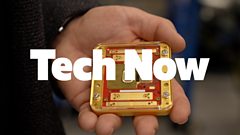
Exclusive Access to Microsoft's Quantum Lab in Denmark
Adrienne Murray has gained rare and exclusive access to Microsoft's Quantum Lab in Denmark, offering unprecedented insight into one of the technology giant's most advanced research facilities. This opportunity provides a unique window into the groundbreaking work being conducted at the intersection of quantum physics and computing technology.
The Microsoft Quantum Lab represents a significant investment in future computing technologies, positioning Denmark as a critical hub for quantum innovation. Murray's access to this sophisticated research environment highlights the importance of science journalism in documenting technological advancement and sharing knowledge about quantum computing with global audiences.
Understanding Microsoft's Quantum Computing Initiative
Microsoft's commitment to quantum computing extends far beyond traditional research and development. The company has positioned itself as a leader in the field through strategic investments, partnerships with academic institutions, and the establishment of dedicated research facilities like the Danish laboratory.
The quantum computing research conducted at this facility focuses on developing topological qubits, a revolutionary approach that differs from competing quantum technologies. These qubits promise greater stability and resistance to environmental interference, potentially addressing one of the major challenges facing quantum computing development.
The Significance of Denmark's Tech Ecosystem
Denmark has emerged as an unlikely but influential center for quantum research and technological innovation. The country's strong educational institutions, collaborative spirit between academia and industry, and supportive government policies have created an environment conducive to breakthrough scientific work.
The establishment of Microsoft's Quantum Lab Denmark reflects international recognition of the country's potential as a technology hub. This facility collaborates with leading Danish universities and research institutions, creating synergies that accelerate innovation and knowledge transfer within the quantum computing sector.
Adrienne Murray's Investigative Access
Adrienne Murray's rare access to Microsoft's Quantum Lab represents an exceptional opportunity for science journalism. Her ability to document and report on the facility's operations, research directions, and technological breakthroughs provides valuable context for understanding the future of quantum computing.
Journalists like Murray play a crucial role in translating complex scientific and technological concepts into accessible information for broader audiences. Her reporting on quantum research helps the public understand the significance of these investments and their potential implications for future technological development.
Quantum Computing: The Future of Technology
Quantum computing represents a fundamental shift in computational capability and power. Unlike classical computers that process information using bits (zeros and ones), quantum computers use quantum bits or qubits, which can exist in multiple states simultaneously due to quantum superposition.
This capability enables quantum computers to solve certain complex problems exponentially faster than traditional computers. Applications range from drug discovery and materials science to optimization problems and cryptography, making quantum computing research a priority for major technology companies worldwide.
Microsoft's Quantum Strategy and Goals
Microsoft's approach to quantum computing differs from competitors through its focus on developing practical, scalable quantum systems. The company's Azure Quantum platform aims to democratize access to quantum computing resources, allowing researchers and businesses to experiment with quantum algorithms and applications.
The Microsoft Quantum Lab in Denmark contributes directly to these strategic objectives by conducting fundamental research and developing new methodologies for quantum computing. The facility serves as both a research center and a collaborative hub connecting Microsoft's global quantum initiative with international scientific expertise.
Implications and Future Outlook
The continued investment in quantum computing research by major technology companies like Microsoft signals confidence in the technology's eventual commercial viability and transformative potential. As quantum computers mature and become more powerful, their applications will expand across virtually every sector of the economy.
Adrienne Murray's reporting from Microsoft's Quantum Lab offers timely documentation of this technological transition. Her exclusive access enables readers to understand the current state of quantum research and appreciate the complexity of challenges researchers are addressing as they move toward practical quantum computing systems.


