Limited Conflict With US Could Better Serve Iran's Strategic Interests
Iran's Calculated Approach to US Relations
Recent geopolitical developments suggest that Iran US conflict strategy may be evolving in unexpected directions. Rather than pursuing either complete military escalation or genuine diplomatic reconciliation, Iranian leadership appears to be considering a middle path that could maintain pressure on Washington while minimizing catastrophic risks.
The Strategic Logic Behind Controlled Tensions
Analysts examining regional dynamics note that a limited warfare approach offers Iran distinct advantages over both conventional peace agreements and full-scale military confrontation. This measured strategy allows Tehran to demonstrate strength and resolve without triggering the overwhelming military response that a comprehensive conflict would inevitably provoke.
Iran's strategic calculations reveal several key considerations. First, maintaining persistent but limited hostile actions enables the country to sustain nationalist sentiment domestically while projecting power regionally. Second, controlled confrontations can strengthen Iran's negotiating position in future discussions without committing to irreversible military actions.
Why Full-Scale War Remains Impractical
Despite military capabilities, a total war scenario presents unacceptable risks for Iran. The disparity in conventional military power between Washington and Tehran is substantial. An all-out conflict would likely result in severe infrastructure damage, economic collapse, and potential regime destabilization. Military analysts universally recognize that sustained conventional warfare would devastate Iranian territory and economy far beyond any strategic gains.
Furthermore, international coalition possibilities complicate any comprehensive military scenario. NATO allies, Gulf Cooperation Council members, and other regional actors would likely support American military operations, creating a coalition Iran cannot realistically overcome through direct military means.
The Limitations of Purely Peaceful Resolution
Conversely, genuine peace agreements carry significant domestic political costs for Iranian leadership. Accepting American terms would be portrayed internally and regionally as capitulation. Hard-line factions would weaponize any compromise as betrayal of national interests and revolutionary principles. Historical precedent demonstrates that Iranian governments accepting major concessions face intense domestic opposition and legitimacy challenges.
A purely peaceful resolution would also diminish Iran's regional influence and leverage over Gulf neighbors. In Middle Eastern geopolitics, the perception of strength and willingness to contest American interests remains crucial for maintaining standing among anti-Western actors and sympathetic populations.
The Viable Middle Ground: Limited Conflict
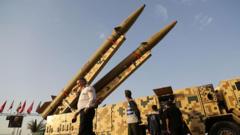
Limited warfare approach represents a sophisticated strategy that preserves Iran's options. Through proxy warfare, naval provocations, cyber operations, and missile demonstrations, Tehran can impose costs on American interests without crossing thresholds that would trigger devastating conventional military responses.
This methodology allows Iran to maintain credible deterrence while avoiding scenarios requiring full national mobilization. Proxy forces in Iraq, Syria, and Yemen can conduct operations that inflict casualties and property damage without directly implicating Iranian forces in ways that demand overwhelming American retaliation.
Regional Implications and Calculations
The Middle East geopolitical tensions would intensify under a limited conflict scenario, but with managed escalation parameters. Iran believes it can calibrate responses carefully, withdrawing or escalating based on American reactions. This calculated risk-taking assumes American strategic decision-makers will prefer managing low-intensity confrontation over committing to large-scale military operations.
Additionally, sustained limited conflict creates opportunities for negotiation during temporary ceasefires or de-escalation periods. Each pause potentially offers diplomatic openings where Iran can secure concessions without formal peace agreements that carry domestic political liabilities.
Economic and Sanctions Considerations
Maintaining a limited conflict posture requires accepting continued American sanctions while avoiding circumstances that would trigger even more severe economic measures. Iran's economy, already stressed by international restrictions, cannot absorb costs of total war. However, limited confrontation allows for potential gradual sanctions relief through incremental negotiations without comprehensive capitulation.
Conclusion: A Strategic Calculation
Iran's apparent preference for strategic confrontation policy reflects rational assessment of available options. Neither total war nor unconditional peace serves Iranian interests optimally. Limited conflict, managed through proxy forces, rhetorical escalation, and measured military demonstrations, offers a pathway to maintain influence, deterrence, and domestic legitimacy simultaneously. This sophisticated approach recognizes constraints while maximizing leverage within those limitations.