Johnson & Johnson Proposes $5.5 Billion Settlement in Talc Powder Cancer Cases
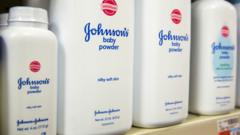
Major Talc Powder Cancer Settlement Announced
Johnson & Johnson has unveiled a substantial talc powder cancer settlement offer valued at up to $5.5 billion to resolve extensive litigation surrounding its talc-based consumer products. This landmark proposal represents a significant step in addressing the prolonged legal confrontation that has challenged the pharmaceutical and consumer goods giant for multiple years.
Understanding the Core Issues
The talc powder cancer settlement stems from widespread allegations claiming that the company's talc-containing baby powder products have caused serious health complications, primarily ovarian cancer and mesothelioma. Thousands of plaintiffs have pursued legal action, arguing that Johnson & Johnson failed to adequately warn consumers about potential risks associated with regular talc product usage.
The proposed settlement framework is designed to provide compensation to individuals who developed cancer following prolonged exposure to the company's talc formulations. Legal experts have noted that this $5.5 billion offer reflects both the scale of claims and the complexity of establishing causation in talc-related litigation.
Settlement Structure and Compensation Framework
The talc powder cancer settlement establishes a comprehensive claims process to evaluate eligible plaintiffs and distribute compensation fairly. The settlement administrator will review individual cases to determine award amounts based on factors including medical diagnosis, severity of condition, and documented exposure history to Johnson & Johnson products.
Under this arrangement, claimants will have the opportunity to present evidence of their product usage and subsequent health complications. The settlement's tiered approach aims to differentiate between various cancer types and stages, ensuring that compensation reflects the individual circumstances of each plaintiff.
Legal and Historical Context
Johnson & Johnson's talc powder cancer litigation has grown substantially since the early 2010s when initial lawsuits emerged. Multiple jury verdicts have previously awarded significant damages to individual plaintiffs, with some exceeding $100 million. These court decisions intensified pressure on the company to seek a comprehensive resolution rather than continue defending individual cases.
The company has consistently maintained that its talc products are safe and free from asbestos contamination, the mineral widely known to cause mesothelioma. However, mounting legal defeats and financial exposure prompted the organization to explore settlement negotiations with plaintiffs' attorneys representing the broader claimant population.
Regulatory and Scientific Perspectives
Regulatory agencies and scientific bodies have examined the relationship between talc and cancer extensively. While some international health organizations have classified talc as "possibly carcinogenic," regulatory consensus remains mixed regarding consumer products specifically. The U.S. Food and Drug Administration has conducted reviews but has not issued definitive restrictions on cosmetic talc usage.
This scientific ambiguity has complicated litigation, as plaintiffs must prove that talc exposure directly caused their cancer, a causation standard that varies across different court jurisdictions and has produced inconsistent outcomes throughout the legal process.
Impact on Consumer Product Markets
The talc powder cancer settlement reflects broader industry trends toward reformulation and product redesign. Johnson & Johnson discontinued its iconic baby powder product in 2020, partially in response to legal pressures and evolving consumer preferences. The company has shifted marketing focus toward alternative talc-free body care products.
Other manufacturers producing talc-containing cosmetics and personal care items are also experiencing increased scrutiny. Consumer awareness of potential talc risks has influenced purchasing decisions, with many shoppers deliberately selecting talc-free alternatives when available.
Resolution Timeline and Implementation
The proposed settlement requires approval from the court overseeing the consolidated litigation, as well as acceptance by a significant percentage of claimants. Once formally approved, the $5.5 billion allocation will be distributed over an extended period, likely spanning several years, as claims are processed and verified.
The settlement also addresses the company's ongoing legal exposure by establishing a claims bar date, after which new claims cannot be filed. This provision provides the company with certainty regarding its total financial obligation while ensuring that known claimants have adequate time to file legitimate claims.
Broader Implications for Corporate Accountability
This talc powder cancer settlement exemplifies how large-scale product liability litigation can result in substantial financial consequences for manufacturers. The resolution demonstrates the significant risks associated with inadequate product testing, labeling failures, and delayed disclosure of health concerns to regulatory authorities and consumers.
The settlement may also influence how other corporations approach similar litigation scenarios, potentially encouraging earlier negotiation and comprehensive settlement strategies rather than protracted courtroom battles that generate negative publicity and increase total liability exposure.