Funeral Director Accused of Leaving Infant Remains Unattended for Years
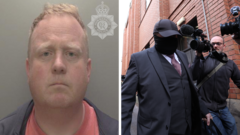
Funeral Director Faces Serious Allegations Over Mishandled Infant Remains
A funeral director has come under intense scrutiny following troubling allegations involving the improper handling of deceased infants. The case centers on accusations that a funeral director negligently left baby remains in inadequate conditions for an extended period, prompting investigations into practices at the funeral establishment and raising serious concerns about the professionalism and dignity afforded to grieving families during their most vulnerable moments.
Grieving Families Recount Traumatic Experiences
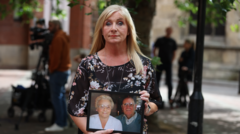
Multiple families who entrusted their departed children to the funeral home have come forward with heartbreaking testimonies describing their experiences. These individuals, already devastated by the loss of their infants, were further traumatized when they discovered they had received incorrect ashes during the funeral service, compounding their grief with an additional layer of distress and betrayal.
The Impact on Bereaved Parents
The emotional toll on these families cannot be overstated. Parents who had already endured the unimaginable pain of losing their babies found themselves facing a new nightmare when they learned that the ashes they had been given were not those of their own children. The discovery transformed what should have been a solemn farewell into a devastating revelation about the mishandling of their infants' remains.
Witnesses describe scenes of profound grief as families realized the gravity of what had occurred. The breach of trust extended beyond simple administrative error—it represented a fundamental failure in the sacred responsibility that funeral directors hold when families place their loved ones in their care.
Questions About Funeral Home Standards and Practices
This case has sparked broader conversations about the standards and oversight mechanisms within the funeral industry. The allegations suggest potential systemic failures in how human remains, particularly those of infants, are documented, stored, and managed throughout the funeral process. Industry experts have pointed to the need for more rigorous protocols and accountability measures.
Storage and Documentation Concerns
The most alarming aspect of these allegations involves the reported conditions under which infant remains were allegedly kept. If substantiated, these claims would indicate a troubling disregard for proper storage procedures and respectful treatment of deceased individuals, particularly vulnerable populations such as infants who deserve the utmost care and dignity.
Documentation procedures appear to have been inadequate, as the mix-up of ashes suggests that identification and tracking systems failed at critical junctures. Proper funeral home management requires meticulous record-keeping and verification protocols to ensure that each family receives the correct remains of their deceased relatives.
Investigation and Accountability
The allegations have prompted formal investigations into the funeral director's conduct and the establishment's operational procedures. Authorities are examining whether violations of regulations occurred and whether any laws governing the handling of human remains were breached. The outcome of these investigations could have significant implications for funeral industry oversight and licensing requirements.
Regulatory Framework and Future Changes
This incident has exposed potential gaps in the regulatory framework governing funeral homes. Licensing boards and regulatory agencies are reviewing their protocols to determine whether current standards adequately protect families from similar situations. Some proposals include enhanced training requirements for funeral staff and more frequent audits of record-keeping practices.
The case underscores the importance of transparency and accountability within an industry that serves families during their most difficult moments. Moving forward, increased oversight and stricter adherence to established procedures may become necessary to restore public confidence and prevent future incidents.
Impact on Public Trust in Funeral Services
Trust is fundamental to the funeral services industry, and this case has inevitably damaged public confidence in funeral homes more broadly. Families who have entrusted their loved ones to funeral directors must be assured that their remains will be treated with the utmost respect and that proper procedures are followed at every stage of the process.
The broader implications of these allegations extend beyond the individual funeral home involved. They prompt families to ask difficult questions about the safeguards in place at their own funeral providers and what measures they can take to protect their interests and ensure proper handling of their deceased relatives.
Seeking Resolution and Justice
The families affected by this situation are pursuing resolution through appropriate legal and regulatory channels. Their determination to hold the funeral director accountable reflects the seriousness of the breach and their desire to prevent similar occurrences affecting other grieving families in the future.
As investigations continue, these cases serve as a stark reminder of the critical importance of professional standards, ethical conduct, and rigorous oversight in the funeral services industry. The accountability mechanisms and results of these inquiries will likely influence how funeral homes operate and are monitored for years to come.