BA Flight Emergency Landing: Passenger Recalls Terrifying Mayday Moments
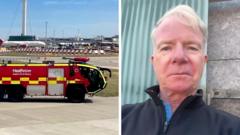
Witness Account of British Airways Mayday Emergency
Edward Killiwick, a passenger aboard the British Airways mayday flight that issued a distress signal earlier this month, has shared his harrowing experience during the aircraft's dramatic descent and successful landing at London Heathrow Airport. The incident, which occurred during a routine commercial flight, transformed into a high-stakes emergency situation that left passengers and crew facing an uncertain outcome.
The British Airways mayday flight experienced critical circumstances that necessitated the activation of emergency protocols. Killiwick's detailed recounting of the events provides insight into the human dimension of aviation emergencies, capturing the raw emotions and reactions of those aboard the aircraft during its final approach to Heathrow.
The Frightening Moments Inside the Cabin
During the crisis, Killiwick witnessed the fear and panic that gripped fellow passengers as the aircraft began its emergency descent. The cabin atmosphere shifted from routine to extreme tension as crew members prepared for what could have been a catastrophic outcome. Killiwick recalls hearing desperate cries from passengers, including explicit statements expressing their deepest fears about survival.
The psychological impact of facing potential disaster at altitude created an environment of collective dread. Passengers grappled with their mortality, voicing their anxieties openly as the aircraft began its controlled descent toward the runway. These moments, lasting what seemed like an eternity to those aboard, tested the emotional resilience of everyone on the aircraft.
Emergency Response and Safe Landing
Despite the terrifying circumstances, the crew executed emergency procedures with precision. The British Airways mayday flight made a safe landing at Heathrow Airport, preventing what could have been a tragedy. The successful outcome demonstrated the critical importance of rigorous pilot training and well-established emergency protocols in aviation.
Once the aircraft touched down safely, the initial panic transformed into overwhelming relief. Passengers and crew members emerged from the ordeal shaken but unharmed, grateful for the professionalism displayed during the crisis. The successful emergency landing at one of the world's busiest airports highlighted the effectiveness of modern aviation safety systems.
Passenger Perspectives on the Incident
Killiwick's account underscores the psychological toll that emergency situations place on commercial aircraft passengers. The passenger recounts how the experience fundamentally challenged his sense of security during air travel. His willingness to share his experience publicly contributes to the broader conversation about aviation safety and passenger experiences during crises.
The incident serves as a reminder of the critical role played by trained flight crews in managing emergencies. When the British Airways mayday flight declared its emergency status, every decision made by pilots and flight attendants became instrumental in determining the outcome. Killiwick's observations highlight how passenger safety depends on years of preparation and expertise.
Understanding Aviation Safety Protocols
Commercial aviation operates under stringent safety regulations designed to prevent emergencies and manage crises when they occur. The mayday distress call issued by the British Airways aircraft triggered immediate responses from air traffic control at Heathrow, coordinating ground support and emergency services in preparation for the landing.
Modern aircraft are equipped with redundant systems and fail-safes specifically designed to manage critical situations. Pilots undergo extensive training to handle emergencies, simulating scenarios to prepare for real-world crises. The safe landing of the British Airways mayday flight exemplifies how these systems and training protocols function during actual emergencies.
Impact and Aftermath
Following the successful landing, authorities conducted thorough investigations to determine the specific circumstances that led to the emergency. Killiwick and other passengers provided testimony regarding their experiences, contributing to the investigative process. The incident generated significant media attention, bringing renewed focus to aviation safety discussions.
For Killiwick and his fellow passengers, the experience remained etched in their memories as a moment when their lives hung in the balance. The British Airways mayday flight incident exemplifies both the potential dangers of air travel and the remarkable resilience of aviation safety systems. As commercial aviation continues to evolve, incidents like this reinforce the importance of maintaining rigorous safety standards and preparedness protocols across the industry.